PunBall strategy hub

Strategies to Dominate Every PunBall Run

Go beyond basic guides and learn how to angle every bounce, chain the right skills, and survive the toughest waves on Tersus Consulting's dedicated PunBall strategies hub.

PunBall Strategy Breakdown

Every decision — where you stand, how you aim, and which upgrade you select — shapes your run. Use these focused strategy blocks to build a repeatable, high-survival playstyle.

Shot Planning

Bouncing attacks & layouts

Master trajectories so every volley cuts through multiple enemy lines instead of wasting hits on a single target.

Jump to bouncing attacks

Build Crafting

Skills, upgrades, power-ups

Shape your hero around clear priorities: crowd clear, boss focus, or survival-first defensive stacking.

Explore skill synergies

Wave Control

Enemy patterns & progression

Track enemy behavior to avoid being overwhelmed, keeping lanes open for safe shots and exits.

Manage enemy waves

Mastering Bouncing Attacks

Effective PunBall play starts with understanding how each shot travels. Your goal is to send projectiles on paths that touch as many enemies as possible before they disappear, using walls and gaps as amplifiers instead of obstacles.

  • Predict trajectories: Before firing, mentally extend the shot line and count at least two rebounds. Aim so the path slices across horizontal rows, not straight into a single target.
  • Use walls as damage multipliers: Shots that skim along a wall create long, shallow angles that repeatedly cross the playfield, dramatically increasing total hits.
  • Prioritize entry gaps: Look for narrow openings between enemies that let shots slip behind the front line and bounce inside the cluster.
  • Adapt to shifting layouts: As blocks fall and gaps open, re-evaluate your best rebound surfaces instead of repeating old angles from habit.
  • Safe-angle rule: When in doubt, choose angles that send the balls upward and sideways, buying time before enemies advance.

Track how many bounces a “good” shot typically earns in your runs. Aim to consistently hit three or more contact zones per volley; if you are not, your primary improvement area is aiming, not power.
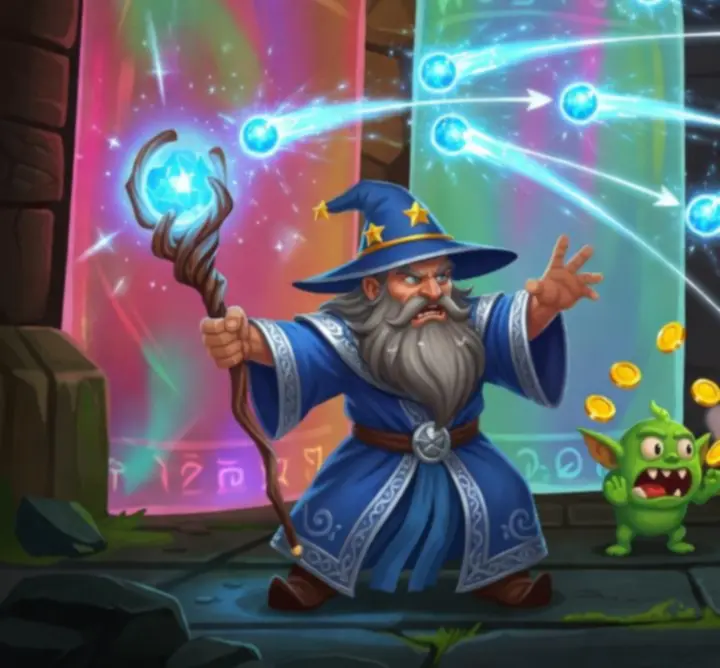
PunBall bouncing attack strategy showing projectiles ricocheting between walls and enemy rows.

Optimal Skill Combinations

Individual skills are strong, but PunBall runs are defined by how you combine offensive and defensive upgrades. Think in “packages” that support a clear win condition for the current stage range.

Early-stage burst packages

In low-to-mid levels, your goal is to clear waves quickly before they can pressure your position.

  • Offensive core: Pierce, multi-ball, and bounce-enhancing skills increase total connections per shot.
  • Light defense: Small shields or minor HP boosts prevent early mistakes from ending promising runs.
  • Recommended pattern: Take two offensive skills for every defensive pick until waves start to feel threatening.

Mid-to-late survival packages

Once enemies gain higher health and density, you need a more balanced toolkit.

  • Hybrid focus: Combine splash or chain damage with at least one reliable defensive layer.
  • Stack synergy, not variety: Upgrading the same effect multiple times usually outperforms spreading points across many unrelated skills.
  • Emergency tools: Prioritize skills that trigger automatically when your HP is low or when enemies touch your line.

Review each run: which skill appeared “too late” or did not contribute? Remove it from your target package and tighten your preferred combinations.

Sample builds by focus

Recommended Synergy Patterns

  • Control Pierce + bounce boost + mild shield — ideal for safe, methodical play.
  • High risk Multi-ball stacking + crit-focused skills — extremely strong but unforgiving.
  • Endurance Regeneration, shield uptime, and flat HP + consistent AoE.

Use these as templates, then tune them around your reflexes and comfort level with risky angles.

Refine with upgrade paths

Character Progression Tips

Outside of individual runs, PunBall progression on Tersus Consulting is about making permanent choices that match how you actually play, not how you wish you played.

Define your core playstyle

  • Precision players: If you enjoy careful aiming, prioritize skill trees that reward high-bounce shots and combo chains.
  • Safety-first players: Invest in HP, shields, and forgiveness mechanics that recover from occasional mistakes.
  • Speed-runners: Focus on early-game damage to crush waves quickly and chase high scores in shorter sessions.

Progression priorities

  1. Stability first: Unlock a baseline of HP and basic defense so you can consistently reach mid-game.
  2. Damage amplification: Upgrade the skills you use in nearly every run before niche options.
  3. Quality-of-life perks: Improved drop rates, better power-up offers, and minor resource bonuses snowball over time.
  4. Specialization last: Only then invest in very specific, situational traits that fit your favorite build.

Revisit your tree regularly. If a node supports a tactic you have stopped using, pause investment there and redirect resources into the mechanics you rely on most.
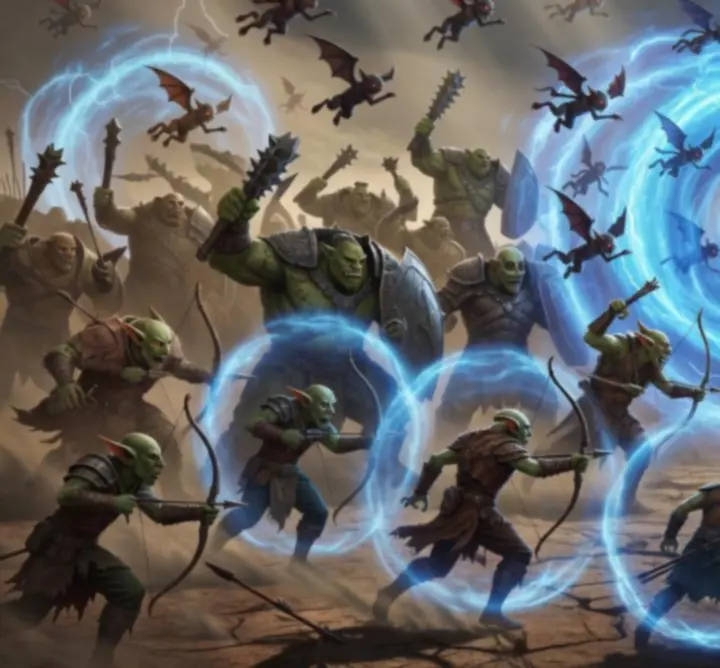
PunBall enemy wave showing dense formations approaching the player line.

Enemy Wave Management

Surviving deep into PunBall runs means treating every wave as a puzzle: identify critical threats, preserve escape routes, and control the rhythm of enemy movement.

Reading patterns quickly

  • Frontline blockers: Enemies closest to you are not always the priority. Instead, mark which blocks will enable the next dangerous advance.
  • Column threats: Tall stacks in a single column can trap your angles. Soften or break them early to keep your aiming options open.
  • Special enemies: Enemies that explode, split, or shield others should be cleared before you chase raw damage numbers.

Efficient clear strategies

  • Favor horizontal sweeps: Shots that pass across multiple columns thin the entire board and prevent sudden collapses.
  • Keep a “safety lane”: Maintain at least one column with relatively low stacks so you can fire steep, safe angles when under pressure.
  • Time your burst: Save high-impact skills for waves where multiple threats overlap instead of spending them on easy layouts.

On Tersus Consulting, track which wave numbers usually end your runs. Focus practice and power-up planning specifically around those patterns to convert them from \u201cwall\u201d to routine clears.

Read wave-by-wave examples

Power-Ups and In-Game Items

Power-ups and items in PunBall act as tactical spikes: they give short bursts of strength that can flip a losing wave into a clean victory. On Tersus Consulting, the key is knowing when to trigger them and when to hold back.

Understanding value windows

  • Clutch saves: Reserve defensive items for moments when enemies would otherwise cross your line in the next one or two turns.
  • Setup shots: Offensive items are most powerful when you have lined up a shot that already promises multiple bounces or pierces.
  • Overkill awareness: Avoid spending high-damage items on waves that you could clear with basic shots.

Resource management principles

  • Plan per segment: Mentally divide a run into early, mid, and late segments and budget items for each instead of spending everything immediately.
  • Prioritize consistency: A small, guaranteed benefit is often better than gambling on rare, high-variance items.
  • Adapt to drops: If the game offers many offensive boosts this run, compensate by selecting more defensive upgrades in your skill choices.

Item usage checklist

Ask Before You Activate

  • Will this item save the run, or just make an easy wave faster?
  • Can I line up a better angle next turn with the same item?
  • Is there a known “danger zone” of waves ahead where I may need this more?

If you answer “no” to all three, consider holding the item for a more critical moment.

Strategic Level Advancement

Progressing through PunBall’s increasingly difficult levels is a constant balance between chasing rewards and avoiding avoidable risks. Treat each decision to push forward as a strategic choice, not an automatic action.

Risk assessment framework

  • Board stability: If the current layout is barely under control, advancing without a plan for the next wave is dangerous.
  • Resource status: Check remaining power-ups, health, and momentum. Low reserves should trigger a more conservative approach.
  • Pattern familiarity: If you know that certain level brackets contain tricky layouts, enter them only with strong builds.

Reward targeting

  1. Prioritize permanent value: Choose paths and level objectives that feed your long-term progression, not just temporary boosts.
  2. Align rewards with build: Damage-focused builds benefit more from offensive rewards, while defensive builds prefer additional safety nets.
  3. Recognize “retreat points”: It is often better to end a run with strong gains than to greed for one more stage and lose everything.

On Tersus Consulting, treat every deep run as data. Note where you fell, what reward you were chasing, and how stable your board looked one wave earlier. Over time, this turns \u201cI died suddenly\u201d into predictable, avoidable risk spikes.

Survival Tactics for Challenging Stages

High-difficulty PunBall stages demand disciplined positioning and precise timing. Tersus Consulting recommends treating late-game survival as its own skillset, separate from aiming and build crafting.

Positioning strategies

  • Use the extremes: Shots from the far left or right often create better diagonal angles that travel longer and safer.
  • Avoid central traps: When enemies are close, central shots can bounce back quickly and waste potential hits.
  • Maintain line of sight: Keep at least one clear angle to the back half of the field for emergency crowd thinning.

Timing crucial abilities

  • Predict overlap: Trigger big cooldown abilities when multiple dangerous enemies are about to align, not when the first appears.
  • Stack advantages: Sync active damage boosts with shots that already use strong angles and skill synergies.
  • Respect downtime: After firing a major ability, play conservatively while you wait for tools to return.

Late-game mindset

Play to Extend, Not Just to Win

Challenging stages reward patience more than heroics. Your goal is to stay alive long enough for your build to fully express its power.

  • Take the safer angle if it buys an extra turn of breathing room.
  • Use defensive options proactively when waves look unstable.
  • Treat every late-game mistake as a learning opportunity to refine your future runs.

Gameplay Optimization Advice

Mechanical skill is only part of consistent PunBall success. Device settings, comfort, and focus directly shape how accurately and reliably you play.
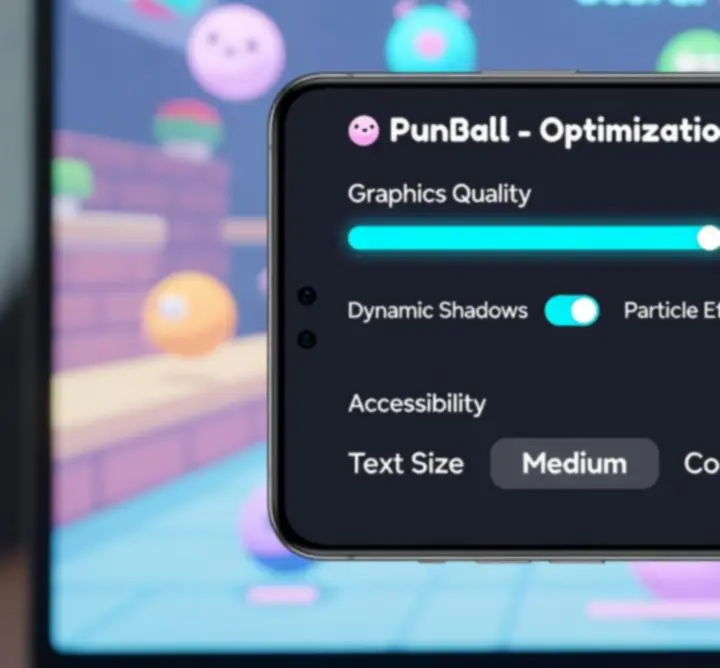
Mobile device settings optimized for comfortable PunBall gameplay on PunterPoint.

Device and control settings

  • Stable frame rate: Close background apps and lower visual distractions to keep input response smooth.
  • Touch sensitivity: Adjust your device sensitivity so small finger movements reliably track micro angle changes.
  • Comfortable brightness: Too-bright screens cause eye fatigue; adjust to a level that keeps trajectories clear without strain.

Reducing mistakes

  • Pre-shot routine: Before every crucial shot, pause, check the predicted path, and confirm your primary target.
  • One focus per turn: Decide whether this shot is about damage, control, or setup, and avoid mixing goals.
  • Session length: Play in shorter, focused sessions instead of long, tired grinds where lapses are common.

Combine these optimization habits with the strategic blocks above, and PunBall on Tersus Consulting becomes more consistent, less stressful, and significantly more rewarding over time.