PunBall gameplay breakdown

Master PunBall's bouncing magic combat on Tersus Consulting

Learn how PunBall turns precision shots, ricocheting projectiles, and smart upgrades into a fast-paced arcade experience. This Gameplay hub explains every core system so you can survive longer and push deeper into each run.

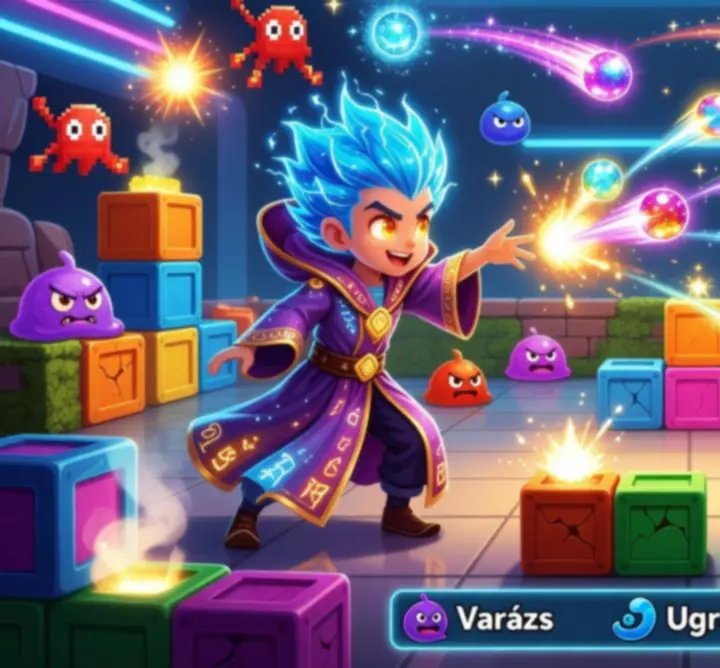
PunBall gameplay with a magical hero firing bouncing projectiles at enemy waves

Overview of PunBall's gameplay loop

Each PunBall run follows a simple but addictive rhythm: aim, fire, bounce, upgrade, and repeat. The more precisely you place each shot, the more efficiently you clear the arena and earn the upgrades that power your next wave.

Step 1

Aim your magical shot

Drag to choose the angle of your projectile and preview the first bounces. Good angles force projectiles to slide along enemy lines or bounce through multiple targets before returning.

Use walls and obstacles as extra surfaces, turning tight corridors into damage multipliers instead of dead ends.

Step 2

Clear enemy waves

Enemies advance toward you row by row. Every bounce that connects chips away at health bars; any target that reaches your position ends the run.

Smart targeting keeps the front line under control while still softening backline threats for future turns.

Step 3

Upgrade, adapt, and push further

Between waves, you pick skills, power-ups, and long-term upgrades that shape your build. Small decisions stack into powerful synergies that decide how far your run goes.

Over time you unlock permanent progression, making each new attempt stronger than the last.

Core mechanic

Bouncing attack mechanics

The heart of PunBall is its bouncing projectile system. Every shot you fire can ricochet multiple times off enemies, walls, and obstacles before leaving the arena. The goal is to convert a single launch into as many hits as possible.

  • Shallow angles cause projectiles to skim along enemy lines, maximizing hits.
  • Steep angles punch through tightly packed clusters or reach backline threats.
  • Wall-assisted shots let you attack enemies behind barriers or in hard-to-reach corners.

Because you see a preview of the initial trajectory but not every bounce, experience matters. The more you play, the better you judge how shots will behave several ricochets ahead.
Enemy waves and level progression

Each stage introduces new enemy patterns, tougher health pools, and layouts that test both your reflexes and your long-term planning.

Wave flow

Increasing pressure

Every round, surviving enemies advance one step closer while fresh units spawn above them. This creates a race between your damage output and the creeping front line.

If a single enemy reaches your position, your run ends, no matter how strong your build is.

Enemy variety

Patterns and behaviors

Some enemies are simple blocks of health, while others bring shields, special resistances, or awkward hitboxes that deflect bad angles.

Learning which enemies must be removed first is critical to surviving later waves.

Difficulty curve

From early game to deep runs

Early levels reward experimentation and greedy angles. As health values rise, you need clean, efficient shots and well-synergized skills to stay ahead of the curve.

Deep runs become a test of endurance, precision, and build quality.

Build crafting

Skill selection and devastating combos

During a run, you regularly choose between multiple skill options. Each choice affects how your hero attacks, how projectiles behave, and how you deal with specific enemy types.

  • Damage skills increase raw power, shot count, or area-of-effect impact.
  • Control skills slow enemies, stagger them, or alter their formation.
  • Utility skills improve survivability, pickup frequency, or resource gain.

The strongest builds combine these categories, turning basic shots into multi-hit chains that shred entire waves before they become a threat.

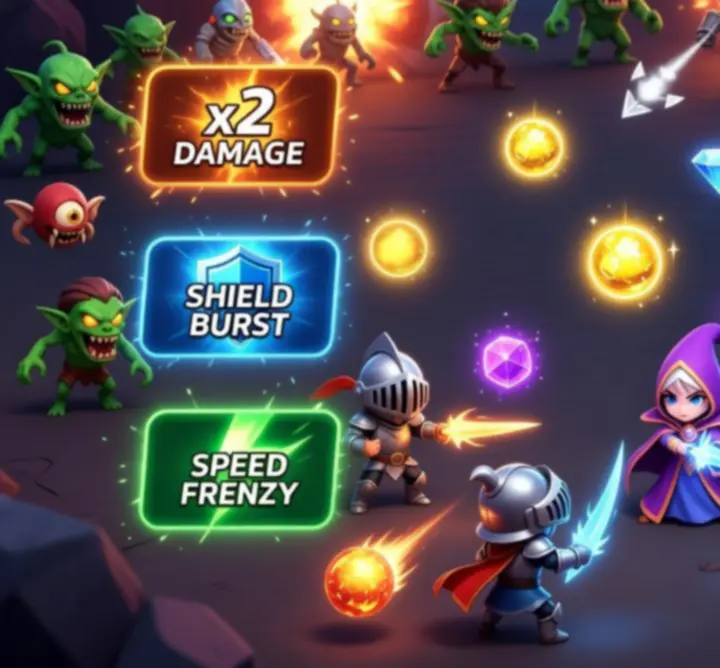
PunBall power-up user interface showing in-game power-up choices
In-run systems

Power-ups and in-game systems

Beyond core skills, PunBall scatters temporary boosts and special pickups throughout each run. These mid-battle bonuses let you rescue weak positions or push strong runs even further.

  • Random power-ups offer short bursts of damage, extra projectiles, or defensive shields.
  • Health and resource pickups restore survivability or accelerate your next upgrade.
  • Special event tiles can modify upcoming waves, rearrange enemies, or open bonus rewards.

Choosing when to chase a pickup versus when to focus on pure wave control is a key decision that separates high-level play from casual runs.

Character upgrades and long-term progression

Between sessions, PunBall lets you invest in your magical hero, unlocking new abilities and strengthening your baseline stats for future attempts.

Hero growth

Persistent upgrades

As you clear stages and defeat enemies, you earn resources that can be spent on permanent upgrades. These boosts raise your damage, survivability, or utility starting from wave one.

Ability unlocks

New skills and passives

Progression unlocks additional skills that enter the pool for your runs. The more your account grows, the more varied and powerful your possible builds become.

Strategic planning

Upgrade paths that matter

Focusing early on consistent damage and survivability usually yields more progress than investing into niche bonuses. Once you stabilize your baseline, you can specialize in specific playstyles.

Decision depth

Strategic decision-making every turn

Every wave in PunBall forces trade-offs. You rarely get to clear all threats at once, so you must choose between stabilizing the front line, targeting high-health elites, or chasing valuable power-ups.

  • Skill timing: Decide whether to hold powerful abilities for emergencies or use them aggressively to snowball.
  • Upgrade choices: Select upgrades that solve your current weaknesses, not just those that look strong in isolation.
  • Shot positioning: Sometimes a safer, less impressive angle keeps the board manageable for upcoming waves.
Combat toolkit

Abilities and special attacks

Your hero's toolkit expands with magical abilities and ultimate attacks that reshape how you tackle enemy formations.

  • Burst abilities delete clustered enemies or weaken elite targets.
  • Area spells cover wide sections of the board, ideal for clearing fragile swarms.
  • Ultimate attacks act as panic buttons that can recover seemingly lost runs.

Understanding how each ability interacts with bouncing projectiles helps you stack damage where you need it most.

Stage layouts

Level design and obstacles

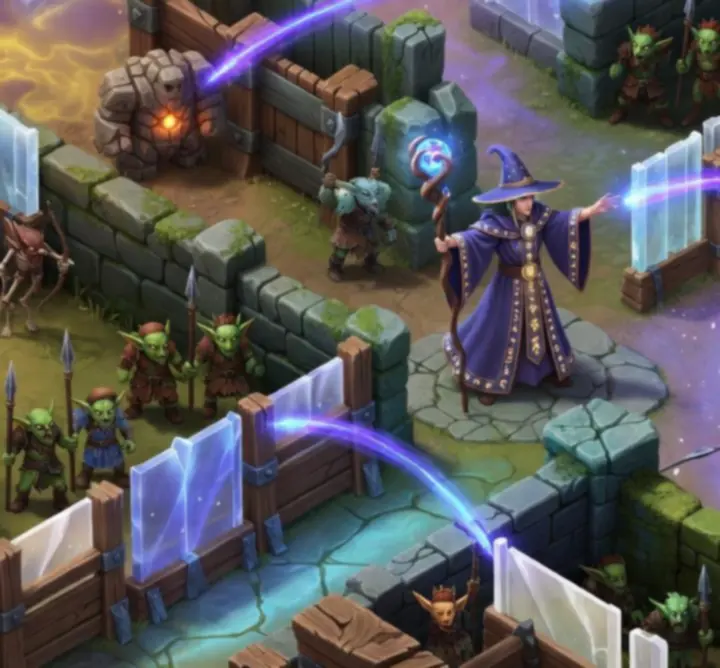
PunBall level with walls and obstacles that shape bouncing shot angles

Stages introduce walls, barriers, and unique arrangements that change the value of each angle you choose.

  • Walls let you chain ricochets for extra hits when used correctly.
  • Barriers can block direct lines, forcing you to plan indirect approaches.
  • Irregular layouts reward creativity, punishing predictable straight-line shots.

Learning how each layout manipulates projectile paths is key to extracting maximum value from every launch.

Tips for surviving longer

Small adjustments in target priority, positioning, and power-up usage can dramatically extend your runs.

Threat management

Prioritize the front line

Enemies closest to your position are the real timer on your run. Even if backline targets look tempting, focus first on anything that can reach you within the next two waves.

Angle discipline

Choose consistency over greed

Ultra-greedy angles can create highlight moments, but they also lead to gaps in the front row. Whenever you're unsure, pick the shot that reliably trims incoming threats.

Power-up timing

Use boosts with intent

Trigger offensive power-ups when they will connect with dense clusters, and save defensive options for waves where the board already looks dangerous.

Optimizing your PunBall gameplay

Once you understand the basics, the next step is optimization: refining every decision so your average run goes deeper and your best attempts reach truly high stages.

  • Review failed runs and identify whether aim, upgrades, or target priority caused the loss.
  • Experiment with different upgrade paths to discover which combos feel most comfortable for you.
  • Practice specific angle types—wall shots, shallow row clears, and corner bounces—until they feel natural.

On Tersus Consulting you can continue learning with focused sections dedicated to builds, strategies, and upgrade planning.